
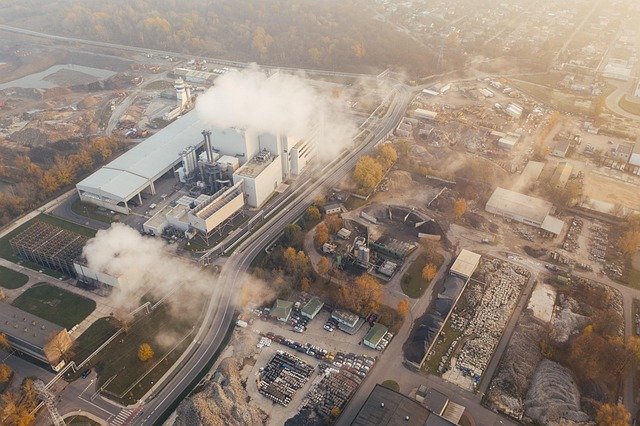
In 2026, the global energy transition has moved from “reduction” to “removal.” Carbon Capture and Storage (CCS) has emerged as the critical infrastructure layer for the world’s heaviest industries. For engineering firms and institutional investors, the build-out of carbon transport and sequestration networks represents the largest industrial opportunity of 2026.
The Scaling of Direct Air Capture (DAC)
By 2026, Direct Air Capture has transitioned from experimental modules to massive industrial parks, driven by modular scaling and significant cost reduction curves.
1. Industrial Decarbonization Hubs
- Cluster Infrastructure: Multiple industrial plants now share pipeline networks to transport captured CO2 to offshore saline aquifers.
- Blue Hydrogen: CCS enables the clean generation of hydrogen fuel by sequestering byproduct emissions at the source.
2. The Economics of Carbon Sequestration
The 2026 market is defined by “Carbon-as-a-Service” (CaaS) models and enhanced tax credits that have turned carbon from a liability into a balance-sheet asset.
Frequently Asked Questions (FAQs)
What is the difference between CCS and DAC?
CCS captures emissions at the source, while DAC removes CO2 directly from the ambient air.
Is carbon storage safe?
Yes. In 2026, sites are monitored via satellite and seismic technology to ensure permanent geological stability.
Disclaimer: This article is for informational purposes only and does not constitute financial or industrial investment advice.